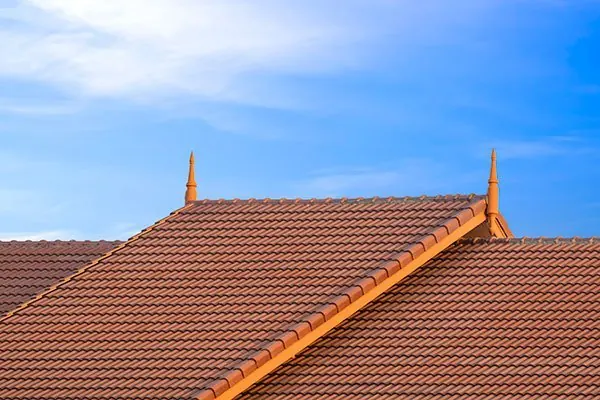
Start with what has actually failed
Terracotta is fired clay, and good-quality tiles can last for generations. What usually wears out first is everything around them: the mortar under the ridge caps, the battens and nails holding the tiles, the sarking beneath, and the valley irons where two slopes meet. That means a tired terracotta roof in Brisbane does not always need replacing. The right fix depends on which parts have failed, and a careful inspection is the first step. Our roof inspection checklist lists what to look at.
Common problems on Brisbane terracotta roofs
Most terracotta roofs here are on lowset brick homes from the post-war decades onward, plus some grander older houses in suburbs such as Paddington, Ascot and Hamilton. Typical issues include:
- Cracked ridge pointing. Years of heat and movement crack the pointing, letting water into the bedding and eventually under the ridge.
- Slipped or broken tiles. Often caused by hail, falling branches, people walking on the roof, or corroded nails.
- Rusted valley irons. Valleys carry a lot of water in a summer downpour, and older galvanised valleys often rust through.
- Tired battens and sarking. Older roofs may have no sarking at all, or perished sarking that no longer keeps out wind-driven rain.
- Moss and lichen. Mostly cosmetic, but heavy growth holds moisture and blocks water flow at laps.
Your three options
1. Targeted repairs
Replacing individual tiles, repointing ridges and fitting new valley irons suits a roof where the tiles and battens are mostly sound. It is the lightest touch and keeps the roof's original character. For smaller jobs like these, see roof repairs.
2. Relaying the existing tiles
When the tiles are fine but the layers below are not, the tiles can be lifted and stacked, new battens and sarking installed, and the same tiles relaid with modern clips. Ridges are rebedded and repointed at the same time. This gives you a largely new roof underneath while keeping the original tiles on top. It needs enough intact tiles, and matching replacements for any that break during removal.
3. Full re-roof
A full replacement makes sense when many tiles are cracked or porous, when the frame or battens have widespread damage, or after a severe hail event. You can choose new terracotta, concrete tiles, or switch to steel. The tile roof replacement service page outlines what a full tile job includes.
| Situation | Usual approach |
|---|---|
| A handful of cracked tiles, sound ridges | Targeted tile replacement |
| Cracked pointing, bedding still solid | Repointing |
| Loose ridge caps, crumbling bedding | Rebedding and repointing |
| Sound tiles, failing battens or no sarking | Relay over new battens and sarking |
| Widespread cracking, hail damage or frame issues | Full re-roof |
Matching terracotta tiles
Finding replacements is often the trickiest part of a terracotta repair. Tile profiles vary between manufacturers and eras, and a tile that looks similar may not interlock with its neighbours. Contractors usually look for:
- Spare tiles left in the garage or under the house from the original build.
- Salvaged tiles in the same profile from demolition jobs.
- A current tile that interlocks correctly, even if the colour weathers in over time.
On a visible slope, some owners move original tiles to the front and put the replacements on a rear face where small colour differences matter less.
After a hailstorm
Brisbane's summer storms are the most common trigger for terracotta work. Hail can crack tiles in clusters, usually on the slopes facing the storm, and the damage is not always obvious from the ground. Water may only show up as a ceiling stain weeks later, once the sarking or plasterboard has soaked through.
If your area has been hit:
- Check ceilings, cornices and the ceiling space near downlights for fresh stains.
- Photograph any visible damage from the ground and keep notes of the storm date.
- Ask for a temporary covering if tiles are missing, so water does not reach the ceiling.
- Talk to your insurer before major work starts if you plan to claim.
Our insurance roof replacement page explains how that process usually runs.
Safety on tiled roofs
Terracotta is easy to break underfoot, and tiled roofs are slippery when damp or mossy. Even a short walk across the roof to clear a gutter can crack several tiles and cause a leak that was not there before. Leave inspections and repairs to people with the right equipment, fall protection and experience stepping on tile laps. A contractor will also know where to place boards or ladders so weight is spread across the battens.
Character homes and overlays
Brisbane City Council character overlays cover many older streets. If your home sits in one, keeping terracotta may be expected, and changing to another material is more likely to need approval. A private building certifier or the council can confirm what applies to your address. Our page on regulations and permits explains the general picture.
Staying with terracotta or switching
Terracotta suits Brisbane well: it does not rust, resists salt air near the bay, holds its colour and has useful thermal mass. Its drawbacks are weight, brittleness under hail or foot traffic, and the need for minimum roof pitch. Some owners with failing tile roofs move to steel to reduce load on the frame and make future solar mounting simpler. Others prefer to keep the original look. Both are reasonable, and the best roofing materials guide on this site compares the options against the local climate.
Costs depend heavily on which of the three approaches you need, roof size and access. The roof replacement cost page explains the main price drivers.
Arranging an inspection
We arrange quotes from contractors we work with who handle terracotta repairs, relays and full replacements. We ask the contractors we work with to hold the licences and insurance the job needs, so ask to see them before work starts.
General information for Brisbane homeowners, written for planning, not a substitute for someone inspecting your roof. Rules and products change; confirm details with Brisbane City Council, the QBCC or the agency named before acting.