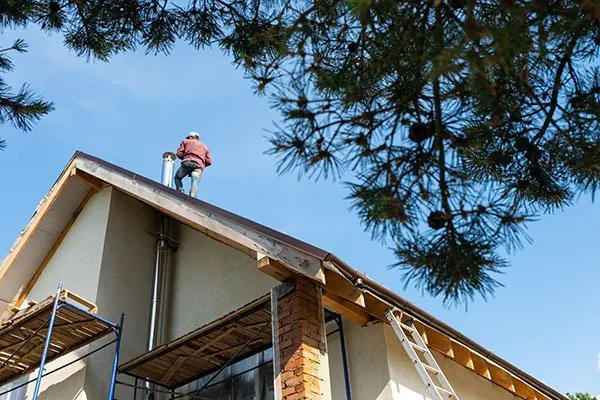
Emergency roof work in Brisbane
Emergency roof work starts with stopping water getting in, then moves to assessing the damage and planning a permanent repair or replacement. Roof Replacement Brisbane arranges this through independent local roofing contractors across Greater Brisbane, during our business hours. If you are in danger or the storm is still active, call 000, or the State Emergency Service on 132 500 for help making the house safe.
What Brisbane storms do to roofs
Brisbane's storm season brings intense hail, damaging wind gusts and short bursts of very heavy rain, usually from late spring through summer. Typical damage includes:
- Tiles cracked or smashed by hail, letting water straight through
- Sheets peeled back at the edges or torn off where fixings were already weak
- Branches or whole trees landing on the roof
- Ridge capping lifted or blown off
- Gutters torn away, and box gutters overflowing into the ceiling
- Flashings bent back from walls
Step one: make it safe and dry
The immediate goal is a watertight roof, not a pretty one. A roofer, or the SES in a widespread event, secures tarps or temporary sheeting over the damaged area so it can survive the next storm. Inside, move valuables, turn off power to wet areas, and keep people out of rooms with sagging ceilings.
Record everything: wide shots and close-ups, inside and out, before and after the temporary cover goes on. Your insurer will want it.
Step two: assessment
Once the weather clears, the contractor inspects properly. They check how far the damage goes, whether water has reached battens, insulation and ceilings, and whether the rest of the roof was already near the end of its life. They write a report with photos and a recommended scope: repair, partial replacement or full replacement.
On houses built before 1990, the contractor also checks for asbestos cement sheeting. Storm-broken asbestos needs to be handled under Workplace Health and Safety Queensland rules, so do not try to sweep it up yourself. See our guide to asbestos roof replacement.
Step three: the permanent fix
If the damage is local, a roof repair may be all you need. If the storm has damaged large areas, or the roof was already worn, replacement may be the sensible outcome. For insured damage, the insurer's assessor decides what the policy covers; our insurance roof replacement page explains how that usually works.
A warning about storm chasers
After big storms, people sometimes knock on doors offering instant roof repairs. Be careful. Check that anyone working on your roof holds a QBCC licence for the work, get the scope in writing, and do not hand over large cash deposits. Our guide to choosing a roofing contractor lists what to check.
We ask the contractors we work with to hold the licences and insurance the job needs. Ask to see them before work starts. For planning prices on permanent work, see the roof replacement cost page.