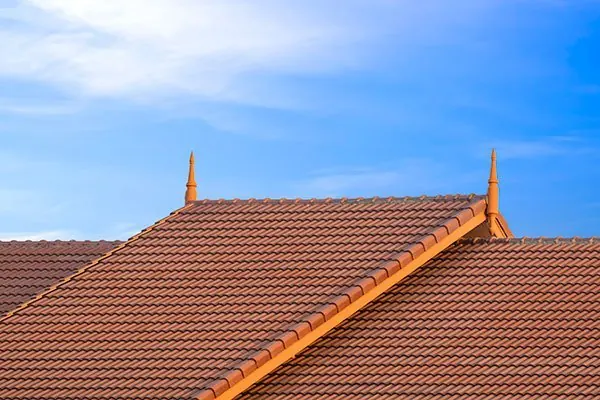
How Brisbane's weather wears a roof down
Brisbane's climate damages roofs slowly and on several fronts at once. Intense sun breaks down coatings and sealants, daily heating and cooling loosens fixings, humidity feeds moss and rust, and the summer storm season delivers hail, heavy rain and destructive wind gusts. Near the bay, salt air adds corrosion to the mix. None of these usually ruins a roof in one hit, but together they explain why many Brisbane roofs need major work sooner than homeowners expect.
Understanding which forces are at work on your particular house helps you decide when repairs are enough and when it is time to look at a full roof replacement.
The main weather stresses on Brisbane roofs
UV and heat
Brisbane gets strong sun for most of the year. Ultraviolet light gradually breaks down paint systems, the glazes and surface of concrete tiles, plastic components, and the sealants used around penetrations. Colours fade, surfaces become chalky and porous, and rubber seals on screws and vent boots harden and crack.
Heat adds a second problem: movement. A roof can go from cool at dawn to very hot by early afternoon, then cool again after a storm. Metal sheets expand and contract with each cycle, which slowly works screw fixings loose and enlarges their holes. On tile roofs, the bedding and pointing along ridges and hips crack as the roof moves beneath them.
Humidity and moisture
Brisbane's humid summers keep roofs damp for long periods. Shaded faces, especially those under jacarandas, figs or gums, can stay wet long enough for moss, lichen and mould to take hold. That growth holds moisture against the surface and blocks water channels in tiles. Inside the roof space, poor ventilation lets warm, moist air condense on the underside of sheets and on battens, which can lead to rust and timber decay out of sight.
Storm season hail, rain and wind
The storm season, roughly late spring through summer, is where much of the visible damage happens. Typical effects include:
- Hail cracking or chipping tiles, denting metal sheeting and flattening gutters
- Wind gusts lifting loose sheets, dislodging ridge caps and exposing weak tie-downs
- Heavy downpours overwhelming gutters and valleys so water backs up under flashings and into the ceiling
- Wind-blown debris such as branches scraping or puncturing the roof surface
A roof that already has loose fixings or cracked pointing is far more vulnerable, which is why storm damage often reveals years of hidden wear.
Salt air near the bay
Homes in bayside suburbs face airborne salt that settles on the roof and is not always rinsed off by rain, particularly under eaves and in sheltered areas. Salt speeds up corrosion of metal sheeting, cut edges, fixings and flashings. Mixing incompatible metals, such as certain fasteners or copper fittings with steel sheeting, can make it worse.
Termites and timber framing
Brisbane's warm, humid climate suits termites. While they do not attack roof sheeting, they can damage roof framing, battens and fascias in older timber homes, weakening the structure the roof relies on. Timber that has been wet for long periods from leaks is particularly attractive to them. If a roof is being replaced on an older house, it is a good moment to have the exposed framing checked and any soft or eaten timber dealt with before new sheets or tiles go on.
How the damage shows up by roof type
| Roof type | Common weather-related wear |
|---|---|
| Terracotta tiles | Cracked ridge pointing, slipped or broken tiles, moss on shaded faces |
| Concrete tiles | Surface erosion, porous and faded tiles, cracked bedding |
| Older galvanised iron | Rust spots, loose nails or screws, worn lap joints |
| Colorbond or Zincalume steel | Fixing wear, corrosion at cut edges and bayside exposure, scratched coatings |
Queenslanders and post-war timber houses on stumps often have older iron roofs that have been patched many times. Lowset brick-and-tile homes from the 1960s to 1980s commonly have concrete or terracotta tiles with tired bedding and pointing. Newer project homes may have steel roofs that are sound overall but show early fixing or flashing issues.
Warning signs to watch for
You can catch a lot from the ground and from inside the house. Look for:
- Water stains on ceilings or around cornices after rain
- Rust streaks, flaking paint or bare patches on metal sheeting
- Cracked, slipped or missing tiles, especially along ridges and valleys
- Gutters that overflow in moderate rain or sag along their length
- Daylight visible through the roof when you look in the roof space
- A musty smell or damp insulation in the ceiling
If you notice several of these at once, our guide to the signs you need a roof replacement explains how to tell wear-and-tear from end-of-life failure.
Slowing the damage down
Weather wear cannot be stopped, but it can be slowed:
- Keep gutters and valleys clear before storm season so heavy rain can drain away
- Trim branches that overhang the roof to cut debris, shade and moss growth
- Replace failed screws, seals and pointing early rather than waiting for leaks
- Rinse bayside metal roofs in sheltered areas that rain does not reach
- Improve roof space ventilation to reduce condensation and heat build-up
A professional check every few years, or after a severe storm, is the best way to find problems you cannot see from the ground. Our roof inspection checklist walks through what a thorough inspection should cover.
When weather damage means replacement
Repairs make sense when damage is local and the rest of the roof is sound. When corrosion is widespread, tiles are failing across multiple faces, or leaks keep returning after repairs, replacement is usually the more practical long-term answer. If you are weighing that up, our roof replacement cost guide explains what affects the price. When you are ready, we can arrange quotes from contractors we work with, and we ask them to hold the licences and insurance the job needs, so ask to see them before work starts.
General information for Brisbane homeowners, written for planning, not a substitute for someone inspecting your roof. Rules and products change; confirm details with Brisbane City Council, the QBCC or the agency named before acting.